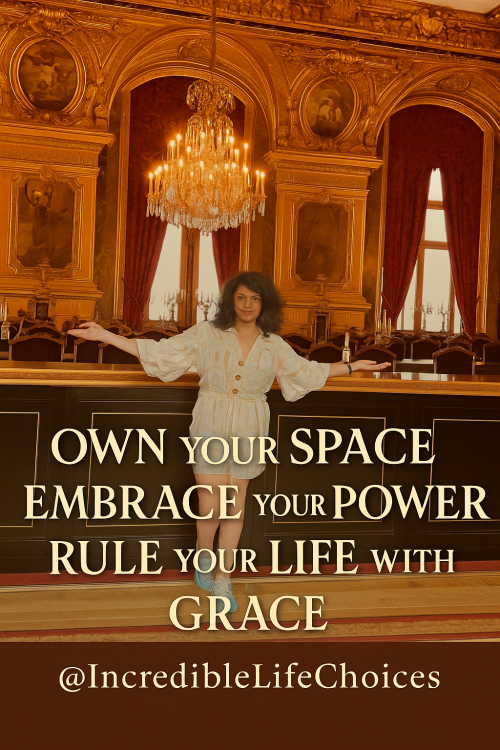

Respect is a fundamental virtue that underpins ethical behaviour and meaningful relationships. It enriches both individual character and society as a whole, making it essential for a harmonious and compassionate world.
To a degree, RESPECT is more important than LOVE. It is integral to our very being – everyone wants to be RESPECTED!
RESPECT IS A VIRTUE
- Foundation of Healthy Relationships
- Respect fosters trust, understanding, and cooperation in personal, professional, and social interactions.
- It allows individuals to feel valued and heard.
- Recognition of Human Dignity
- Respect acknowledges the inherent worth of every person, regardless of differences in culture, beliefs, status, or background.
- It promotes equality and fairness.
- Encourages Empathy and Kindness
- When we respect others, we are more likely to listen, understand their perspectives, and treat them with compassion.
- Supports Social Harmony
- Communities and societies function more peacefully when mutual respect is practiced.
- It reduces conflict and promotes collaboration.
- Reflects Inner Character
- Demonstrating respect reveals maturity, emotional intelligence, and strong moral values.
QUALITITES
People naturally respect those who are:
- Calm: Emotional control is power. Loud reactions signal insecurity while calm responses signal strength.
- Selective: When you choose wisely where you invest your time and energy, your value increases.
- Confident: Confidence does not seek approval. It stands firm, grounded in self-belief.
These qualities are the foundation of:
- Self-respect
- Social intelligence
- Emotional maturity
- Confidence
- Strong, healthy boundaries
If you want genuine respect, stop:
- Seeking attention
- Overexplaining
- Oversharing personal details
- Giving unsolicited advice
- Tolerating subtle or open disrespect
KEY PRINCIPLES
You cultivate “Respect” through discipline, self-awareness, authenticity, and healthy boundaries.
Self-Respect
YOU must RESPECT YOURSELF first to command ultimate respect! As you RESPECT YOURSELF, you GLOW from the inside, and attract people who honour, respect, and appreciate YOU.
When we consistently say “yes” while meaning “no,” tolerate jokes at our expense, or allow others to cross our boundaries, we unintentionally signal that our needs and feelings are negotiable.
When we treat ourselves with respect, others naturally follow suit.
Authenticity
People who command respect are not necessarily the loudest or the most powerful; they are the most authentic.
Authenticity means showing up as your true self without being fake, seeking validation, or shapeshifting to gain approval or validation.
When your inner self aligns with your outward behaviour, you naturally exude confidence and trustworthiness. Whether it is expressing your opinions honestly or embracing your unique voice, authenticity signals self-assurance and invites respect from others.
Show Up
People judge what they see before they hear what you say. Your appearance, habits, and actions should align with the life you claim to live.
- Dress well; people respect what they visually admire
- Wear clothes that reflect who you are and what you stand for
- Keep your promises, even the small ones
Boundaries
People treat you the way you allow them to, and that is why you must set clear boundaries to maintain self-respect.
Boundaries define what behaviours you will and will not accept. Setting boundaries can initially create friction, especially if people are accustomed to your being an “easy-going” person.
Boundaries are not established overnight, and they require consistent reinforcement.
Calmly acknowledging when you feel disrespected and clearly communicating your expectations helps others adjust to this new dynamic.
Set Boundaries
- Politely but firmly express discomfort when crossed.
- Reinforce boundaries through consistent actions.
- Accept that temporary discomfort or misunderstanding is part of the process.
Strong boundaries communicate one powerful message: “I value myself.”
And when you value yourself, others follow. Establishing clear boundaries fosters healthier relationships and preserves your emotional energy.
Say “No”
Many people struggle to say “no” due to fear of disappointing others.
Setting limits does not require validation, so stop justifying your decision to say “no”. A simple and respectful “no” is sufficient.
Learning to pause and check in with your intuition allows you to respond with intention rather than obligation.
Signs You Should Say No
- You feel immediate discomfort after agreeing.
- You begin to dread the commitment.
- You mentally rehearse excuses to cancel.
- Your decision is driven by fear rather than genuine desire.
Question Disrespect
When faced with passive-aggressive or disrespectful remarks, reacting emotionally can escalate the situation.
Instead, ask disarming questions calmly, like, “What do you mean by that?” to shift the dynamic and encourage the other person to reflect on their behaviour.
Responding by asking a question helps you to maintain your composure while subtly asserting your boundaries.
Stop Over-Apologising
Many individuals, especially those conditioned to be agreeable, apologise excessively, even when they have done nothing wrong. This habit can unintentionally signal insecurity or a lack of confidence.
By using more intentional language, you communicate confidence and self-assurance.
Assertive Alternatives
|
Instead of Saying |
Try Saying |
|
“Sorry I’m late.” |
“Thank you for waiting.” |
|
“Sorry to bother you.” |
“Could I ask you a quick question?” |
|
“Sorry, but I disagree.” |
“I see your point, but I have a different perspective.” |
Do not Take Disrespect Personally
Often, disrespectful behaviour reflects the insecurities or emotional immaturity of the other person rather than your worth.
Detaching emotionally allows you to respond thoughtfully instead of reacting impulsively.
Practicing mindfulness, such as pausing, grounding yourself, and taking deep breaths, helps maintain emotional balance and preserves your sense of self.
Walk Away When Necessary
While communication and boundaries are powerful, there are situations where the most self-respecting action is to withdraw from relationships that consistently undermine your well-being.
Walking away is not an act of hostility; it is a declaration of self-worth.
By limiting access to your time, energy, and presence, you reinforce the message that respect is non-negotiable.
Take Credit for Your Achievements
Do not downplay your accomplishments. While collaboration is valuable, it is equally important to own and articulate your contributions.
Visibility is not vanity; it ensures that your efforts are recognised and rewarded.
Take Up Space
From body language to communication style, taking up space: physically, emotionally, and intellectually, is a powerful statement of self-worth.
Speak with confidence, share your ideas without disclaimers, and embrace your right to be seen and heard.
Build Respect Through Discipline
- Discipline over emotions
- Mastery of your daily routine
- Focus on your work, not opinions
- Acting with integrity even when no one is watching
- Consistency, as consistency earns trust, and trust earns respect
Key Takeaways
- Respect begins with how you treat yourself.
- Authenticity fosters trust and admiration.
- Boundaries teach others how to interact with you.
- Saying “no” protects your time and energy.
- Disarming questions help address disrespect calmly.
- Reducing unnecessary apologies strengthens confidence.
- Detachment prevents internalising others’ negativity.
- Walking away is sometimes the most empowering choice.
- Value your time and expertise.
- Prioritise your needs without guilt.
- Own and communicate your achievements.
- Embrace your presence and take up space.
Note, RESPECTING yourself, is all about:
- Upholding your values, standards, and boundaries
- Embodying self-worth through your actions, words, and decisions
- Living CONFIDENTLY without fear, insecurity, dependency, neediness, desperation
- Standing your ground, speaking up for yourself, being ASSERTIVE
- Investing in your growth, learning continuously, EVOLVING, PROGRESSING, and BETTERING yourself
- Protecting your energy like your most valuable asset
- Being yourself (AUTHENTIC, genuine, honest, and true)
- Feeling worthy, valuable, significant, enough, lovable
- BELIEVING in yourself; you deserve the best life has to offer
- Doing whatever makes you FULFILLED and PROUD for yourself
- Working SMART, letting your GENIUS and BRILLIANCE shine
When you honour yourself by being authentic, setting boundaries, and valuing your needs, you naturally inspire others to do the same.
If people still fail to respect you despite your efforts, remember the ultimate expression of self-respect is the courage to walk away!